Web scraping is the magic wand that allows you to extract data from websites and transform it into actionable insights. And there are plenty of ways to scrape publicly available data on the internet; from going down the code-it-yourself path to AI-powered tools that handle the process from start to finish. For the sake of ease, we’re going to stick to ready-to-use platforms that allow you to hit the ground running. But, which one is right for you?
That’s the million-dollar question we hope you’ll be closer to answering by the end of this post, armed with knowledge about your needs and features of web scrapers to consider, as well as insights into ten popular tools on the market currently. Ready to demystify the world of web scraping and scraping tools? Let’s dive in!
Understanding Your Needs
Before you get around to evaluating tools, it's important to get introspective about your needs and goals, so you can map out the right course for your scraping journey. Start by thinking about:
- Your Objectives: Clearly state your intentions and desired outcomes. Provide relevant context, specify the type of data you seek to extract, and explain how obtaining this information will contribute to your overall objectives.
- Identifying Sources: Pinpoint the websites or platforms from which you want to extract data. Different websites may have varying structures and parameters, requiring different approaches.
- Volume and Frequency: Determine the volume of data you need and how often you'd like to extract or refresh the data, be it a one-time activity or daily update.
- Technical Expertise: Assess your technical skills and those of your team. Are you comfortable with coding and scripting, or do you prefer a no-code/low-code solution?
- Cost Considerations: Some tools offer free plans, while others require a subscription or one-time purchase, so figure out your spending capacity before taking a call.
- Scalability: Choose a web scraping tool that can easily adapt and expand as your tasks increase. A scalable tool will ensure a smoother and more efficient process in the long run.
By weighing these factors from the get-go, you'll be better prepared to choose a web scraping tool that aligns perfectly with what you’re looking for, and your search is going to become that much simpler.
Key Features to Consider
Next, it's time to explore the essential features you should consider when evaluating web scraping tools. These are the building blocks that will help you make an informed decision.
- Ease of Use: Consider the simplicity of the tool's interface and its user-friendliness. Is it suitable for your ability as a beginner or as an advanced user?
- Automation and Scheduling: Look for automation capabilities that allow you to schedule scraping tasks. With automation, you can retrieve up-to-date data periodically without manual intervention and scale as you grow.
- Data Export Formats: Check if the tool supports the data export formats you require, like CSV, Excel, or JSON. You likely want the data you scrape to be immediately and conveniently available.
- Proxy Support: If you need to scrape data from multiple sources or websites with IP restrictions, proxy support is crucial for maintaining anonymity and avoiding bans.
- JavaScript Rendering: Some websites heavily rely on JavaScript for content loading. Opt for a tool that can render JavaScript content to access data from such sites.
- Regular Updates: Find out the tool's track record for updates and feature releases. Regular updates indicate that the tool is actively maintained and will adapt to changing web environments.
- Community and Support: User communities, forums, and high-touch customer support are all positive signs. Having the right guidance when learning the ropes can be extremely helpful.
Now that you have clearly defined your goals and identified the essential features you require, finding the perfect web scraper becomes much easier. To assist you in making the best choice, let's explore some popular options available.
Top 10 Web Scraping Tools
Let's put your doubts to rest and explore the highlights of 10 of the most popular web scraping tools out there:
1. Browse AI
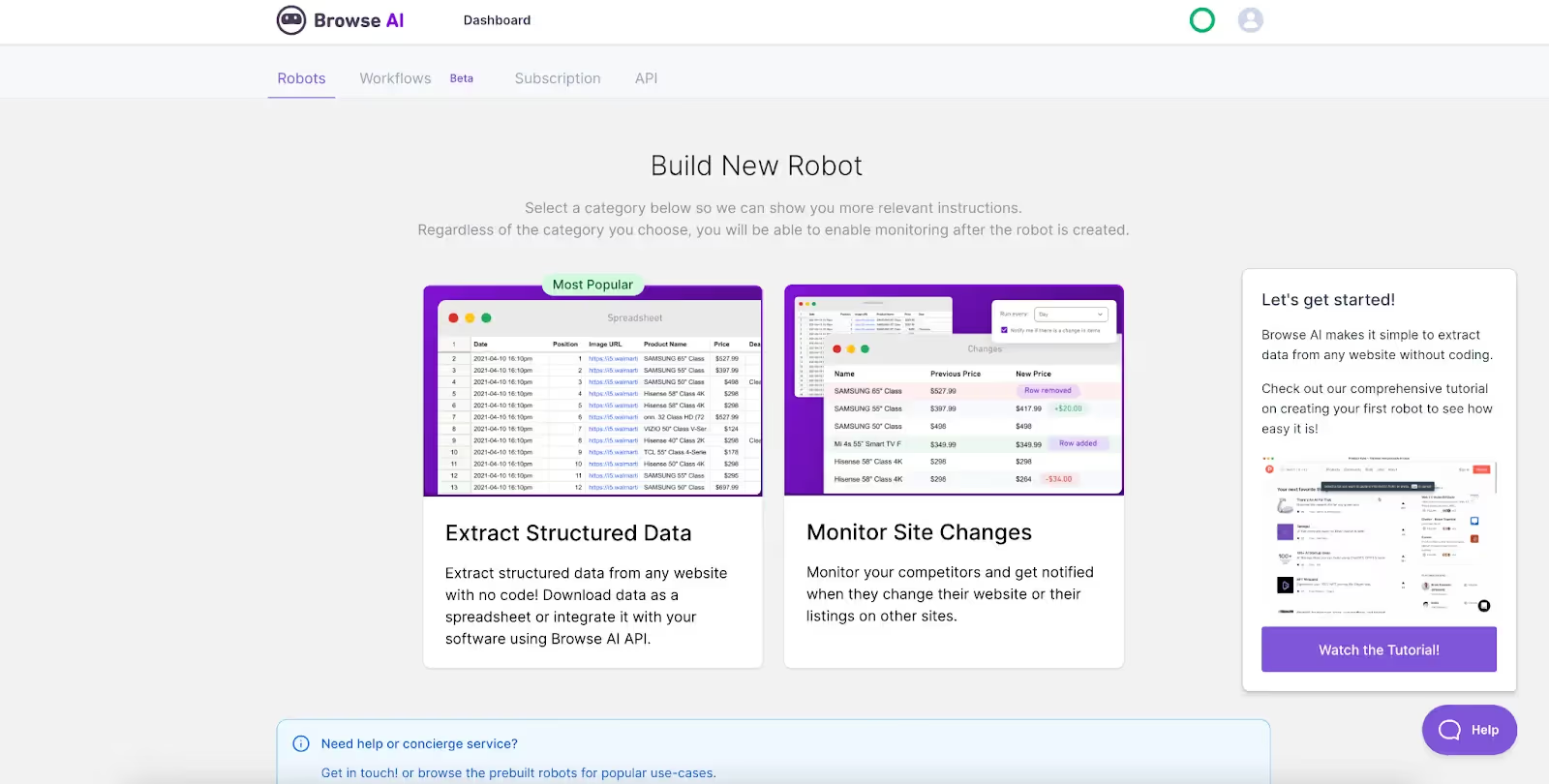
Browse AI is one of the most user-friendly tools that empowers anyone and everyone to automate web scraping without coding. With its intuitive record-and-replay style interface, users can train custom robots to extract data or monitor changes on any website, and convert them into spreadsheets or APIs within minutes. Browse AI also offers pre-built robots that can help you get started right away, and integrates with many preferred automation tools that enable you to create a seamless scraping workflow.
Pros:
- Superior user experience for ease and speed
- Works across any use case and website
- Simplified interface for users with and without technical expertise
- Built-in proxy support for all tasks
Supports bulk run and deep scraping (scraping multiple web pages simultaneously)
Cons:
- Offers trial with 50 free credits, but plan upgrades are paid
- Chrome browser extension must be installed for running custom robots
- Mobile scraping capabilities are limited
2. ParseHub
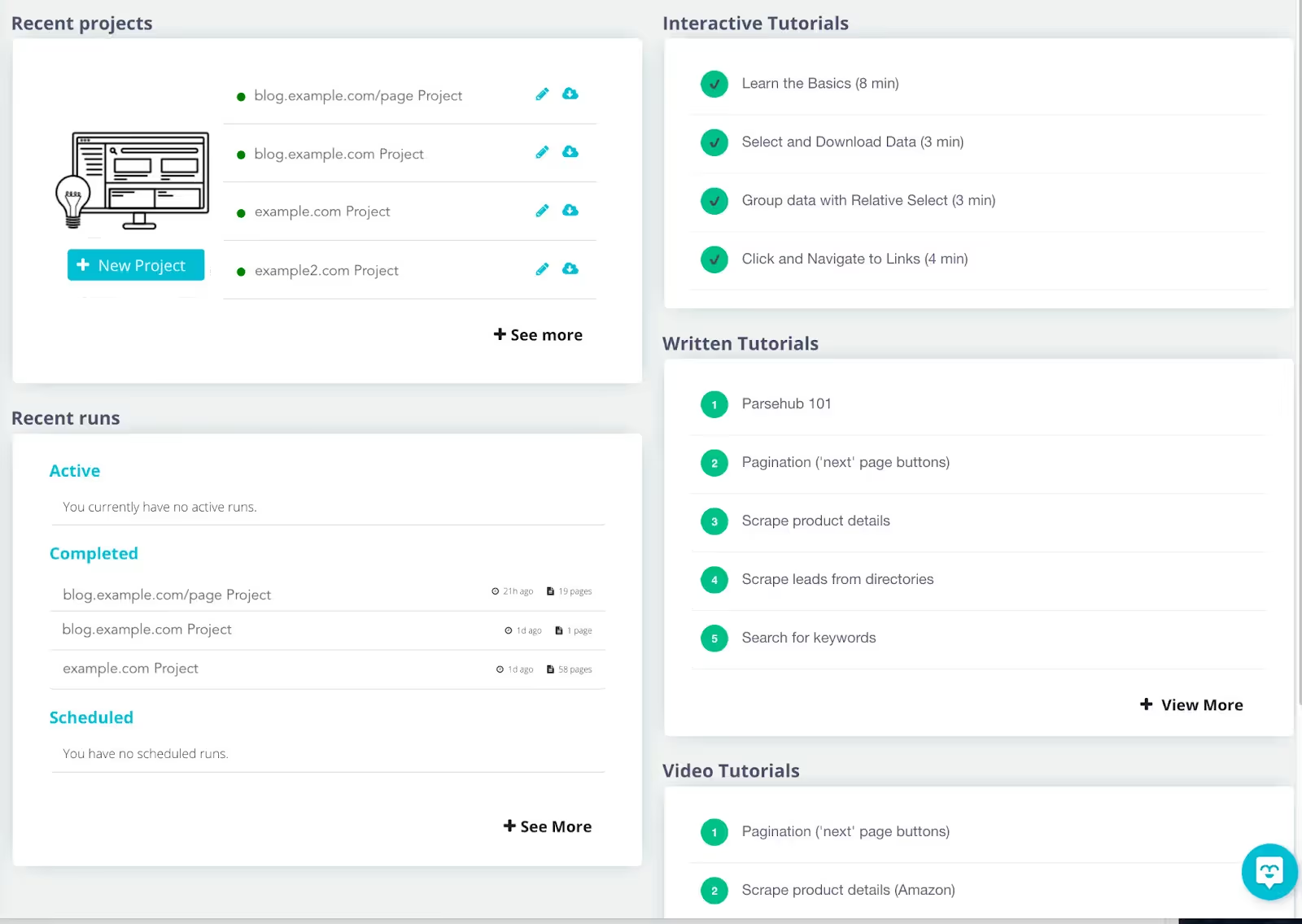
ParseHub is a versatile web scraping tool available in both desktop and cloud-based versions. The point-and-click platform is accessible for users of varying technical backgrounds. ParseHub is adept in data exporting and offers support for JavaScript rendering.
Pros:
- Multi-purpose and customizable scraping capabilities
- Can be used by developers and non-developers alike
- Offers flexibility in data export formats
Cons:
- Insufficient free credits for testing
- May be overkill for simple scraping needs
- Pricing may not suit all budgets
3. Octoparse
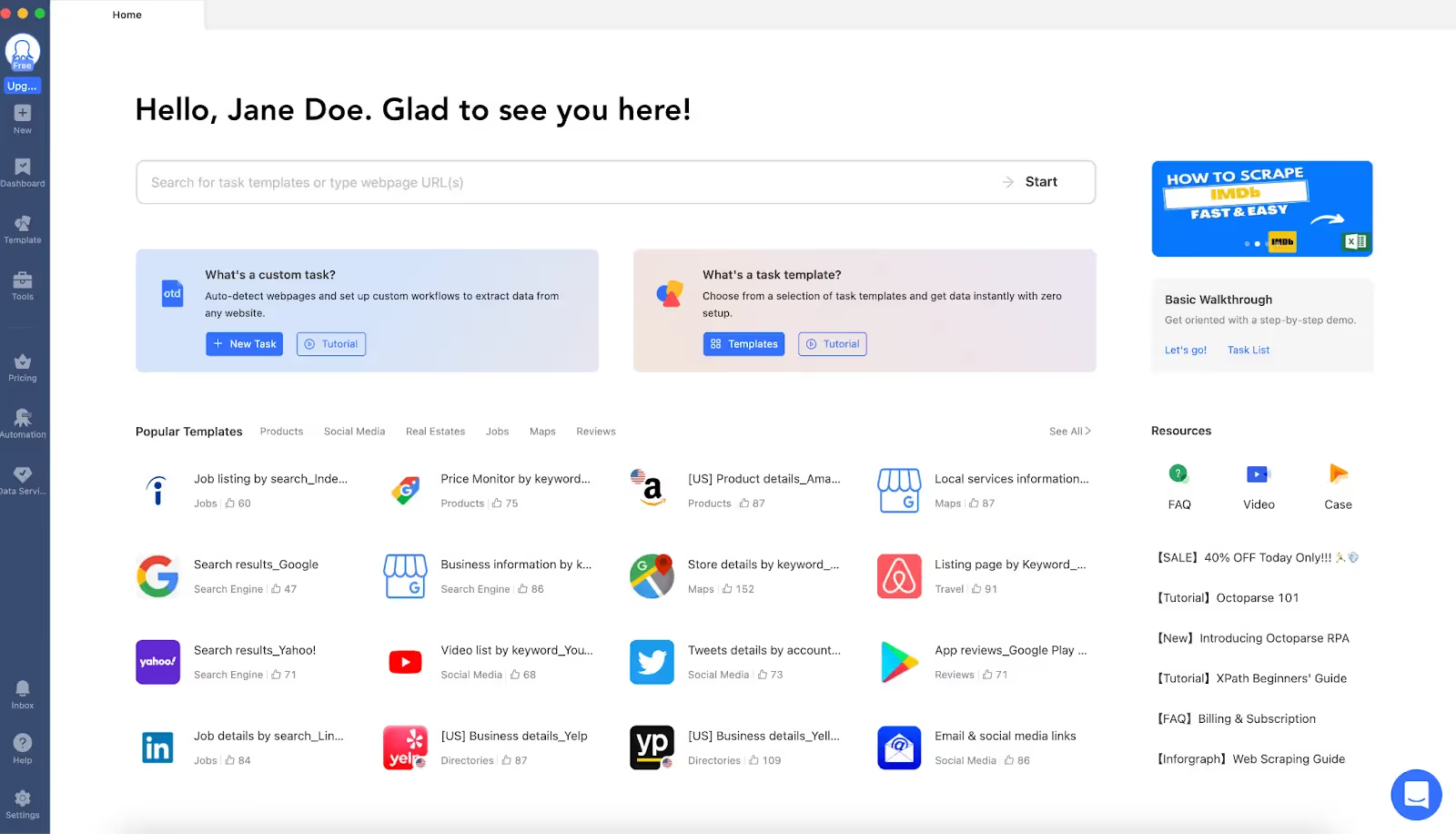
Octoparse is known for its user-friendliness, catering to beginners as well as experienced users. It supports websites with AJAX and JavaScript rendering, and offers both cloud and local scraping solutions for Windows and Mac. Extracted data can be exported into a database or as different formats including API, CSV, Excel, HTML, and TXT.
Pros:
- Suitable for beginners without coding knowledge
- Offers both cloud and desktop scraping solutions
- Ability to scrape static and dynamic websites
Cons:
- Can be time-consuming for big data demands
- Lacks advanced features for expert users
- Scope and features are limited without a paid subscription
4. Bright Data (formerly Luminati Networks)
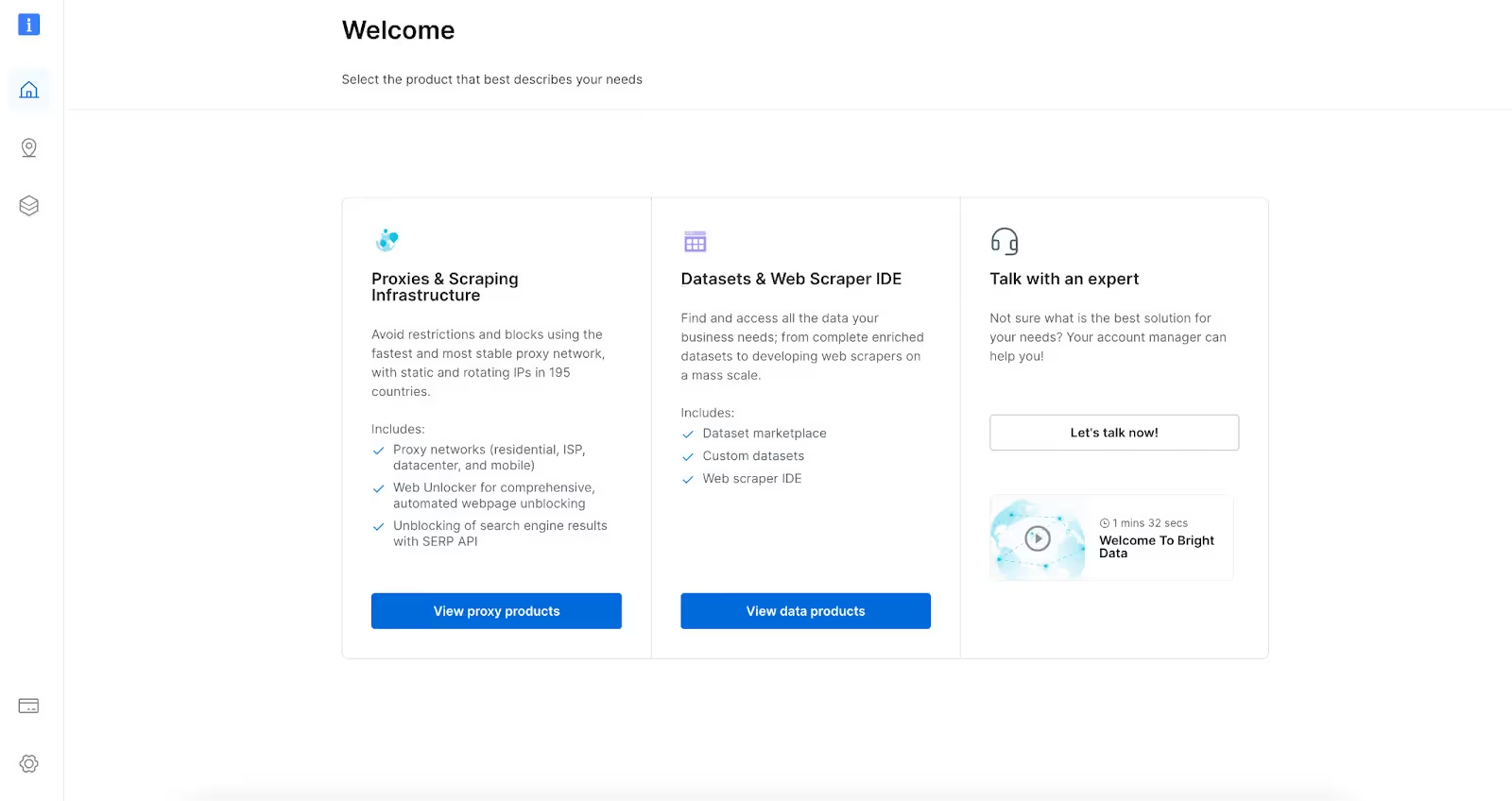
Bright Data provides one of the largest proxy networks designed for large-scale web scraping projects. It offers an array of generic and dedicated scraping APIs, making it a go-to choice for those looking for all-around proxy solutions.
Pros:
- Offers a high-quality, reliable, and vast proxy pool
- Handles IP rotation and management
- Provides extensive geo-targeting options
Cons:
- Premium pricing may not be feasible for smaller budgets
- Learning curve for managing proxies effectively
- Residential proxies are subject to getting blocked
5. Zyte (formerly Scrapinghub)
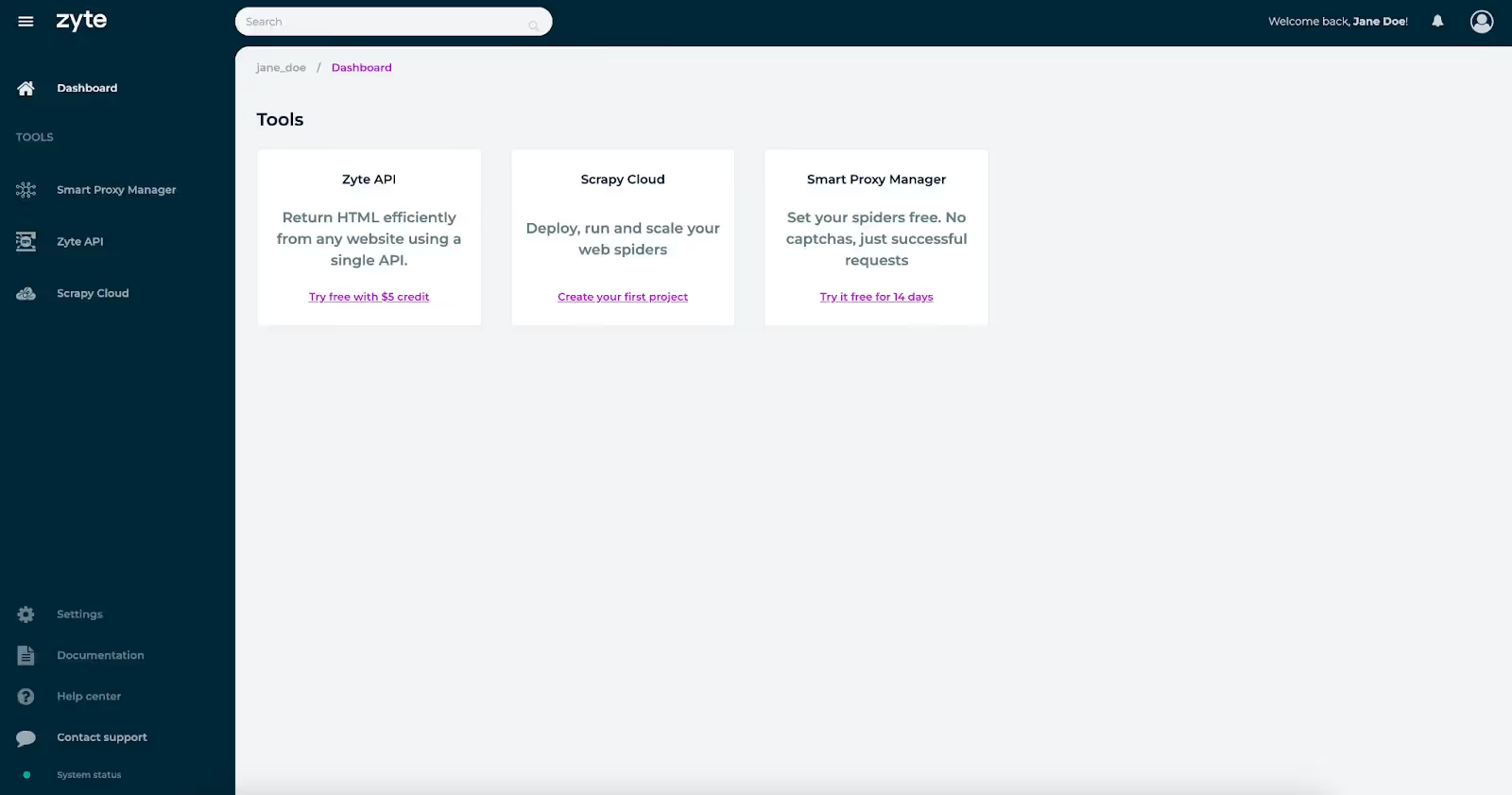
Zyte is a full stack scraping platform that provides a range of developer tools and “data on demand” solutions, such as Zyte API, Zyte Data, Smart Proxy Manager, and Scrapy Cloud. It offers advanced data extraction capabilities and is best suited for those seeking customizable and robust scraping features.
Pros:
- Developer-friendly, ideal for experienced users
- Supports the powerful Scrapy framework for complex scraping
- Secure and reliable scraping with Smart Proxy Manager
Cons:
- Requires coding expertise
- Not all features perform with consistent speed and efficiency
- Pricing may not be competitive compared to other providers
6. Hexomatic
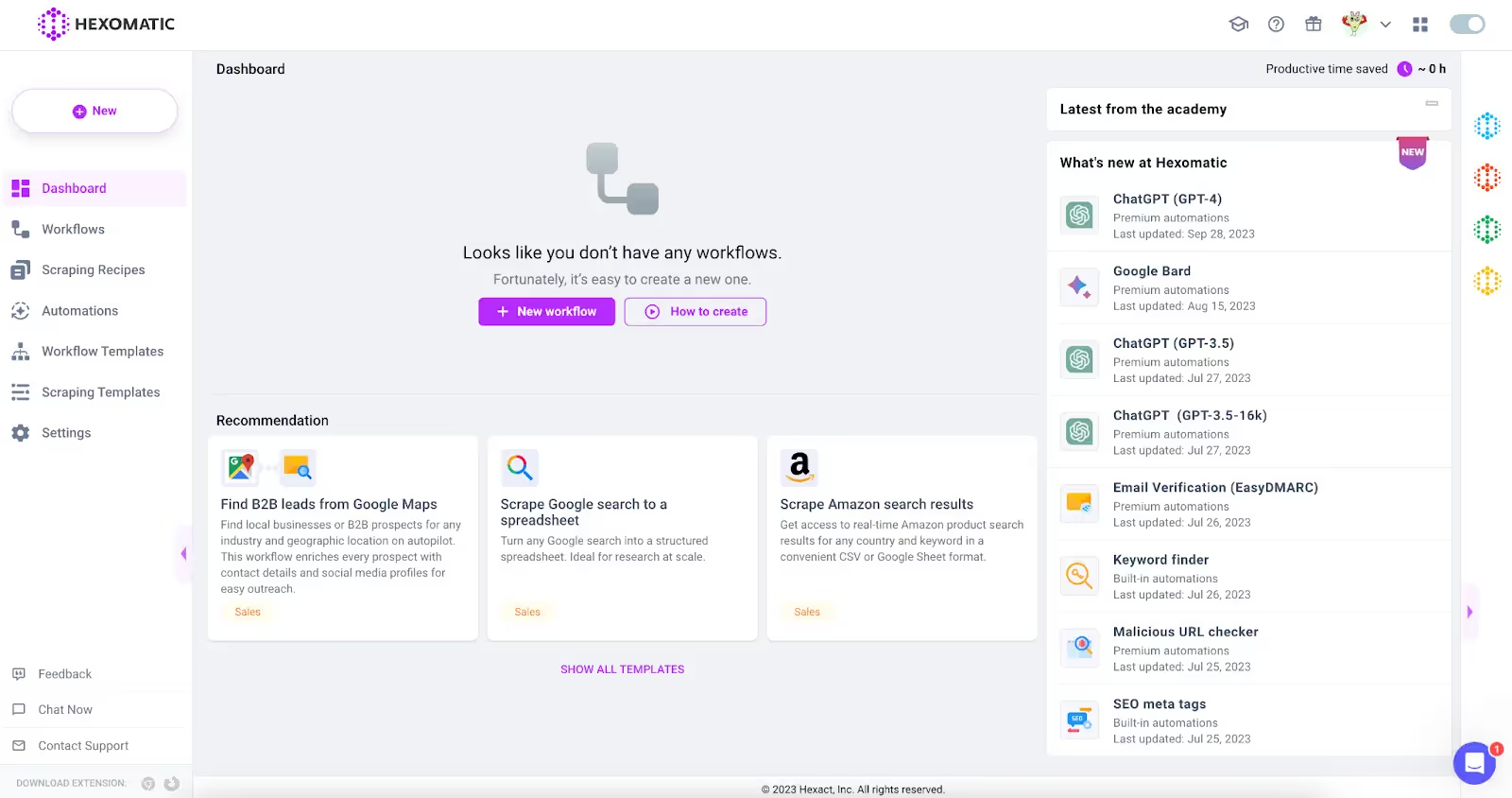
Hexomatic is a cloud-based web scraping tool that prioritizes data quality. It offers a user-friendly interface with a focus on simplifying data extraction and providing tools for workflow automation.
Pros:
- Excellent UX/UI for efficient data extraction
- No-code, easy to use platform for beginners
- Offers data cleansing and deduplication tools
Cons:
- Complex scraping tasks have to be broken down
- Limited customization options for advanced users
- Certain aspects require trial and error to work
7. ScrapingBee
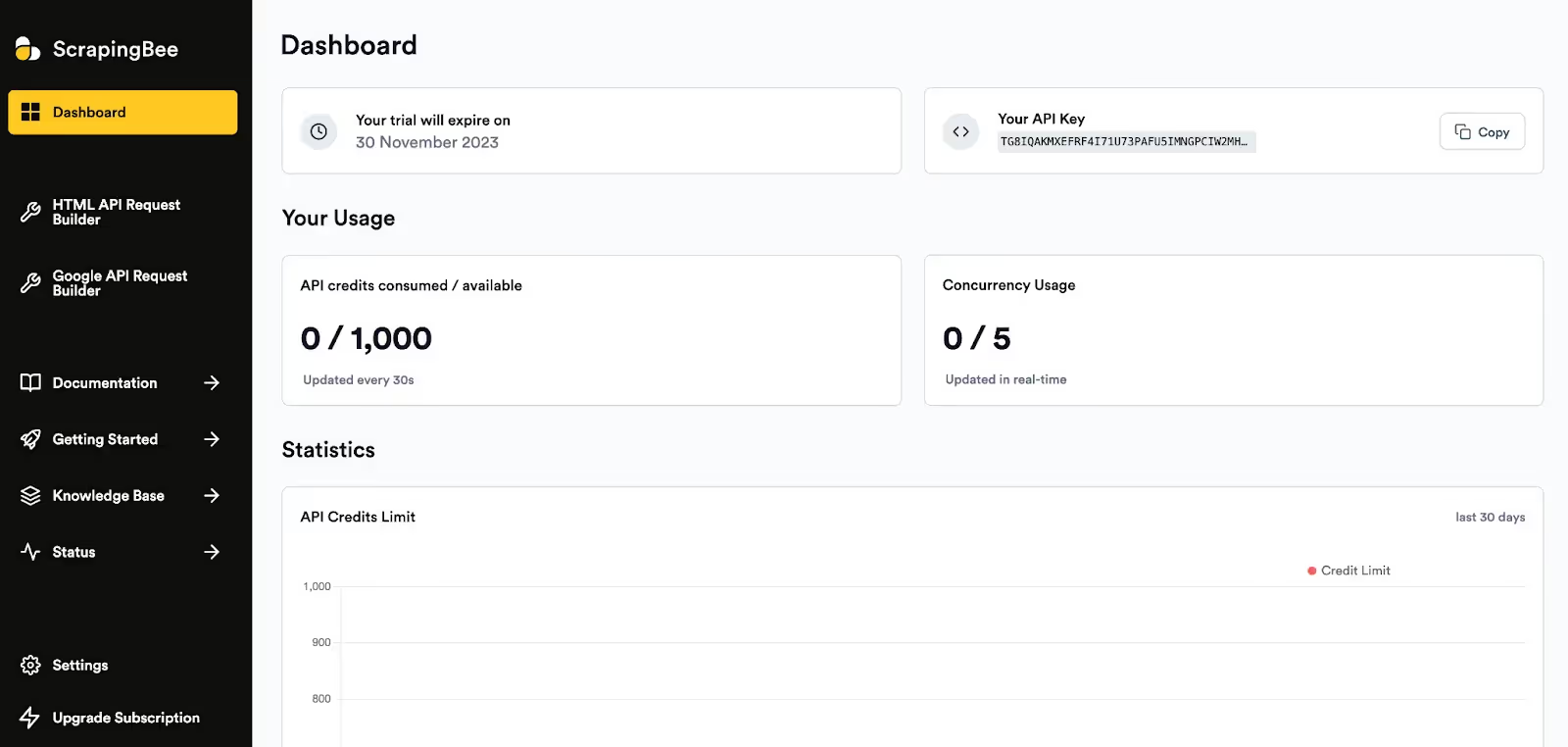
ScrapingBee is a Chrome-based web scraping API service that simplifies the scraping process by rendering lifelike web pages. It handles tasks like rotating IPs and solving CAPTCHAs, which makes it suitable for users seeking easy API integration.
Pros:
- Handles proxies and headless browsers
- Provides IP rotation to avoid bans
- Manages CAPTCHAs, reducing manual intervention
Cons:
- Limited to API usage, may not cover all scraping scenarios
- Pricing tiers are based on usage; concurrency limit is low even for paid users
- May not offer the same level of control as desktop solutions
8. Apify
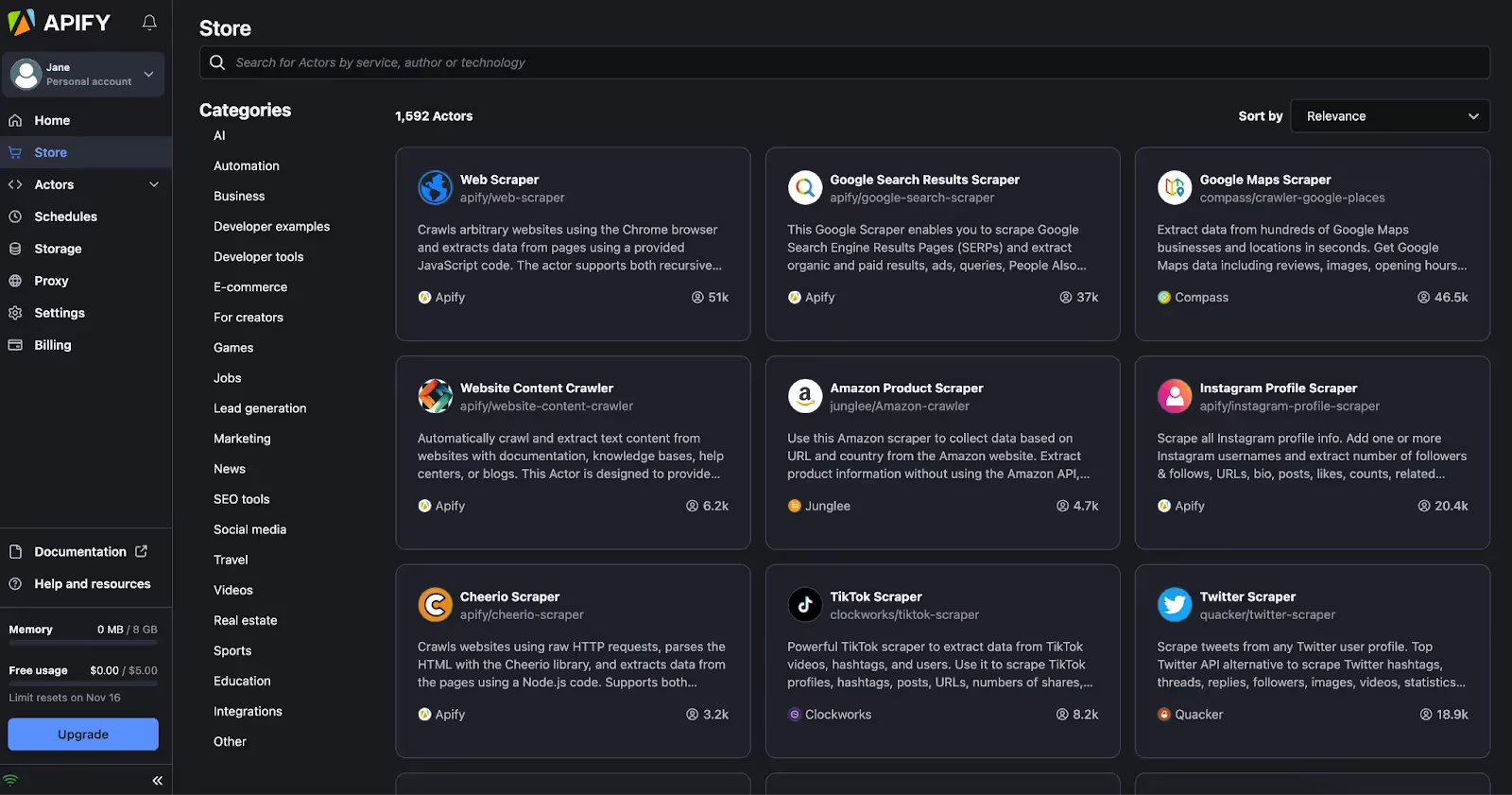
Apify is a potent web scraping platform that offers cloud-based solutions for data extraction and automation tasks. With over 1500 ready-to-use scrapers for popular websites and other workflow automation tools, Apify caters to a wide range of industries and applications.
Pros:
- Scalable and adaptable cloud-based platform
- Variety of pre-made tools and templates are available
- Offers extensive customization options across tasks
Cons:
- Requires users to be technologically savvy
- Interface may be intimidating and difficult to navigate
- Might not be a cost-effective option for small businesses
9. Diffbot
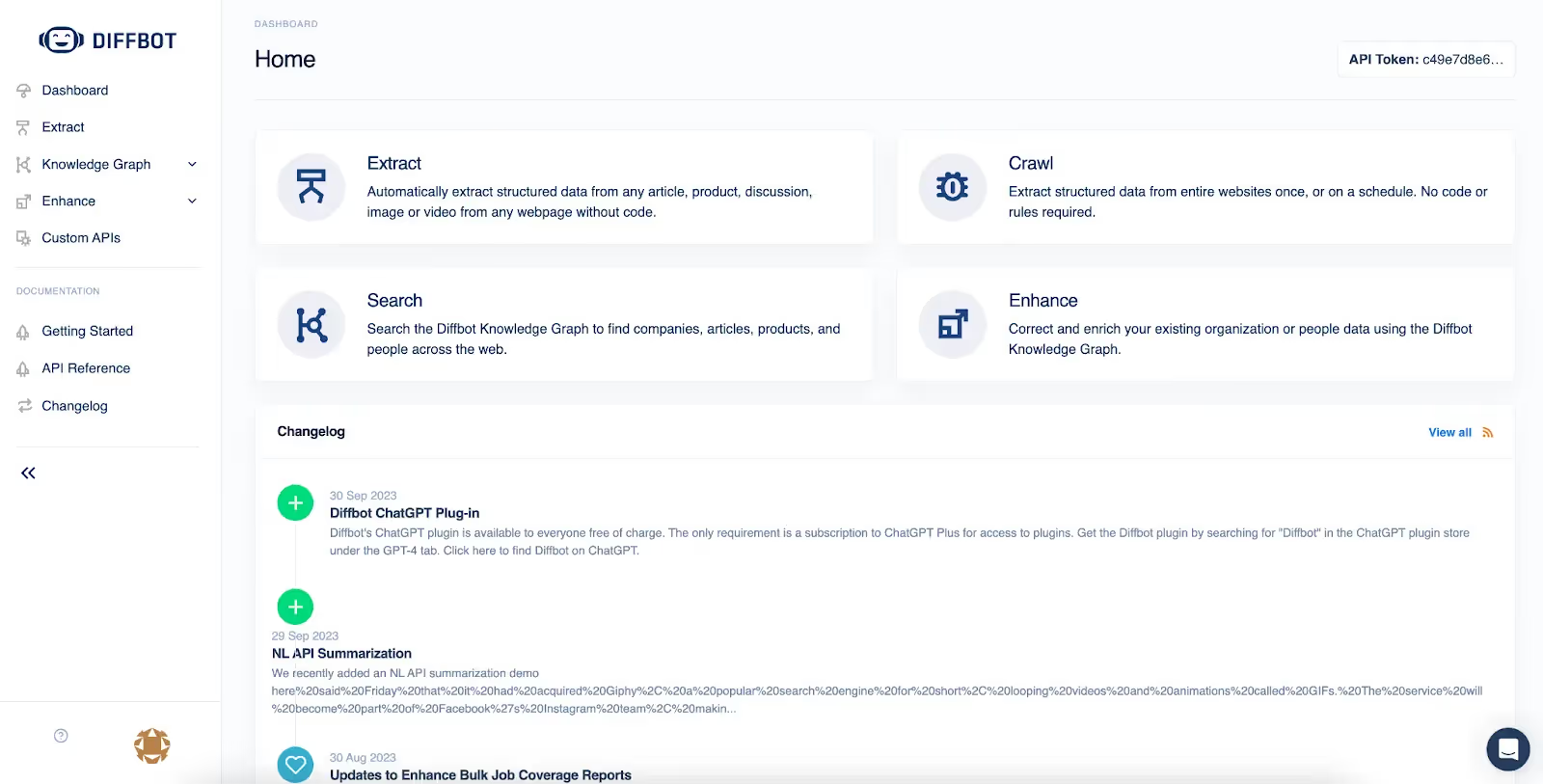
Diffbot is another tool for extracting data and scraping the web, differentiated by AI and machine learning capabilities. One of Diffbot's standout offerings is the Knowledge Graph, a vast and structured database of information extracted from the web that provides details related to current news and market intelligence.
Pros:
- Provides reliable data extraction with AI technology
- Accessible to non-technical users
- Scalable to meet the demands of small and large-scale projects
Cons:
- Only 2-week trial period; paid plans may not be budget-friendly
- Minimal customization options for advanced users
- User setup may be affected by changes in websites’ structures
10. ScraperAPI
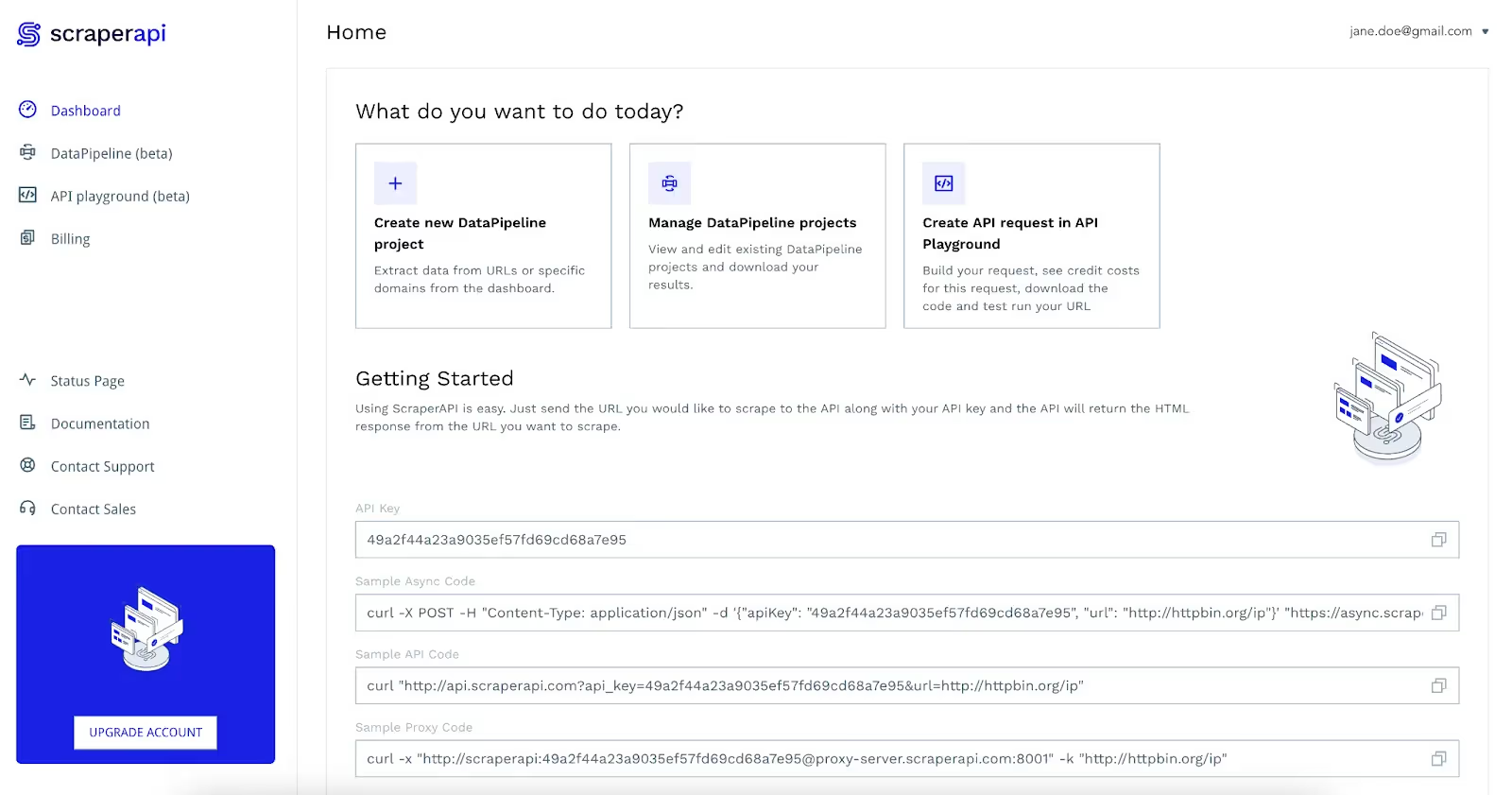
ScraperAPI is a straightforward web scraping service that performs actions with an API call. It handles proxies, IP rotation, and CAPTCHA solving, and supports scraping using multiple programming languages such as JavaScript, Python, and Ruby.
Pros:
- Easy integration into applications with a simple API
- Offers free pack to make 1,000 API calls
- Provides API documentation and SDKs for programming languages
Cons:
- Caters to developers so requires coding know-how
- Limited to API usage, may not cover all scraping scenarios
- Usage-based pricing tiers may affect costs for heavy users
In Summary
There you have it – a step-by-step approach to picking the right web scraping tool.
To recap, we covered:
- Evaluating your needs
- Considering key features of scrapers
- Exploring 10 widely-used platforms
Of course, there are other methods for scraping the web. There is no one-size-fits-all solution, so it’s important to be systematic about narrowing down your choice. The right tool for you depends on your unique needs and priorities.
And remember, ethical scraping practices, adherence to website policies, and respect for legal and privacy considerations are essential in your journey. With the right web scraping tool and a commitment to responsible scraping, you'll harness the power of web data to drive informed decisions and achieve your objectives. May your scraping endeavors be fruitful and enriching!